
Keeping our cats safe from rabies is key to being a good pet owner. Rabies is a deadly virus found in wild animals like raccoons and bats. It can infect any mammal, including cats, if they get bitten or scratched.
Cat rabies vaccination is vital for both indoor and outdoor cats. It helps prevent this dangerous disease.
Rabies spreads through infected animal saliva, usually through bites. Once symptoms show, it’s almost always fatal for unvaccinated pets. Many places require pets to be put down if they might have been exposed to rabies.
Getting your cat vaccinated against rabies is not just good for their health. It’s also the law in most places. Even if your cat stays inside, bats can get in and make them want to hunt. There are different rabies vaccines, so talk to your vet about what’s best for your cat.
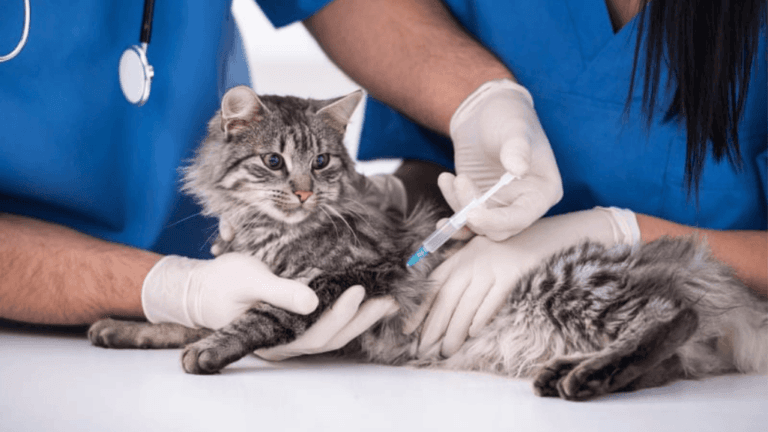
While rare, some cats might feel a bit sick after getting their shots. They might have a low fever, feel tired, or have a small bump where they were injected. But these side effects are much less serious than not getting vaccinated at all. By keeping your cat up to date on their shots, you’re protecting them and keeping everyone safe.
Key Takeaways
- Rabies is a deadly viral disease that can infect any mammal, including cats, if exposed to the virus through bites or contaminated wounds.
- Vaccinating cats against rabies is vital for their health and safety, as well as a legal requirement in most states.
- Both indoor and outdoor cats should get rabies shots, as bats can enter homes and trigger a cat’s hunting instinct.
- Different types of rabies vaccines are available, including one-year and three-year options, and vaccination schedules should be determined in consultation with a veterinarian.
- Side effects of cat rabies vaccines are rare and typically mild, making the benefits of vaccination far outweigh the risks.
Understanding Rabies in Cats
Rabies is a serious viral disease that harms the nervous system of mammals, including cats. If not treated, rabies is almost always fatal. In 2018, there were 241 recorded cases of rabies in cats. This makes rabies more common in cats than in dogs. It’s important for cat owners to know the risks and how to prevent it.
What is Rabies?
Rabies is a viral infection that attacks the central nervous system. It causes inflammation in the brain and spinal cord. The virus spreads through the bite of an infected animal, like a raccoon or bat. Once symptoms show, the disease quickly gets worse and is almost always fatal.
How Rabies is Transmitted
The most common way rabies spreads is through an infected animal’s bite. The virus is in the infected animal’s saliva and gets into the body through the bite. Rarely, rabies can spread if infected saliva touches an open wound or mucous membrane, like the eyes or mouth. Outdoor cats face a higher risk of rabies because they’re more likely to meet infected wildlife.
Symptoms of Rabies in Cats
The incubation period for rabies in cats is usually three to eight weeks. But it can last from 10 days to a year. During this time, the virus moves through the nerves to the brain. Once it reaches the brain, symptoms start to show.
- Changes in behavior, such as increased aggression or restlessness
- Fever
- Loss of appetite
- Weakness and paralysis
- Seizures
- Excessive salivation and difficulty swallowing
If you think your cat has been exposed to rabies or shows symptoms, call your vet right away. Rabies is deadly for unvaccinated animals, usually causing death within 7 to 10 days after symptoms start.
Importance of Rabies Vaccinations for Cats
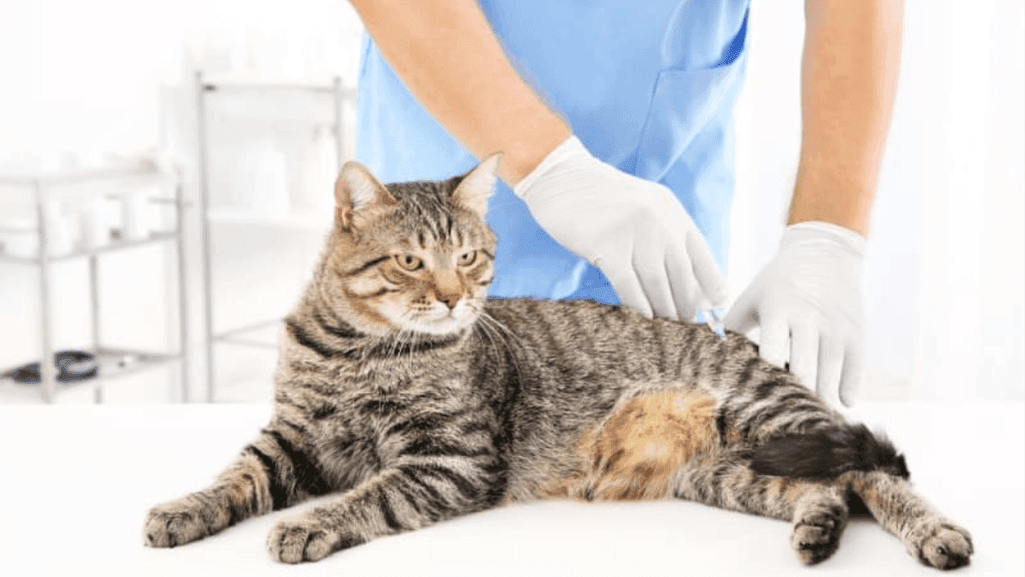
As a cat owner, it’s key to know why vaccinating your cat against rabies is important. It keeps your cat safe and is often the law. By focusing on cat rabies protection, you keep your pet healthy and help stop this deadly disease.
Protecting Your Cat’s Health
Rabies is a serious disease that can kill cats. The CDC says over 250 cats get rabies each year in the U.S. Vaccinating your cat is the best way to keep them safe. Cats need their first shot at three to four months old, and then boosters every year or every three years, depending on where you live.
Legal Requirements for Rabies Vaccinations
In most places, cats must be vaccinated against rabies by law. This law helps keep people safe and stops rabies from spreading. Not following these rabies vaccine requirements for cats can lead to fines and legal trouble. It’s important to know the rules in your area and keep your cat’s shots up to date.
Risks of Not Vaccinating Your Cat
Not vaccinating your cat can lead to big problems. If an unvaccinated cat might have rabies, it might have to be put down or kept in quarantine for four months. This shows how vital feline rabies prevention through vaccines is.
The rabies virus kills nearly 60,000 people around the world annually, with most victims being children.
By making sure your cat gets rabies shots, you’re not just keeping them safe. You’re also helping fight this deadly disease worldwide.
Rabies Vaccination Schedule for Cats

Keeping your cat’s rabies vaccine schedule up-to-date is key for pet owners. Rabies is a deadly virus that harms the nervous system and can spread to humans. It’s a big public health risk. Sticking to the rabies vaccine schedule protects your cat and keeps everyone safer.
Initial Vaccination for Kittens
Kittens get their first rabies shots between 12 to 16 weeks old. This shot is vital for building their immunity. In Texas and many other states, cats must get their first rabies shot by 4 months. Make sure your kitten gets their shots on time, along with other important vaccinations like FVRCP.
Booster Shots and Frequency
After the first shot, a booster is needed 12 months later. This keeps your cat’s immunity strong against rabies. The time between booster shots can change based on several things, like state laws and the vaccine type.
In places like New York, all cats must get rabies shots, whether they’re inside or outside. The vaccine comes in yearly or triennial forms. This means your cat might need a shot every year or every three years. Always check with your vet to find out the best schedule for your cat.
Remember, following the recommended cat rabies vaccination schedule keeps your cat healthy and safe. It also helps keep your community safe.
do cats get rabies shots

Keeping our cats safe from rabies is key. As cat owners, we must understand the need for rabies vaccines. This is true for both indoor and outdoor cats.
Indoor vs. Outdoor Cats
Indoor cats face less risk of rabies than outdoor ones. Yet, they can get exposed to bats, which carry rabies. In New York, all cats over six months must get vaccinated, no matter if they stay indoors.
Types of Rabies Vaccines Available
There are two main feline rabies vaccine types: one-year and three-year vaccines. Kittens get their first shot at 12 to 16 weeks. They need a booster a year later. The next shots depend on the vaccine and local laws.
Cost of Rabies Vaccinations
The cat rabies shot cost varies. It’s between $15 to $50. This small cost is worth it for the safety and health of our cats.
“Protecting our feline friends from rabies is not only a legal obligation but also a moral responsibility. By ensuring regular vaccinations, we safeguard their health and contribute to the overall well-being of our communities.”
Once rabies shows, there’s no cure. So, vaccination is key. Every year, about 50,000 people die from rabies globally. This shows why we must fight this deadly virus.
Potential Side Effects of Rabies Vaccines in Cats
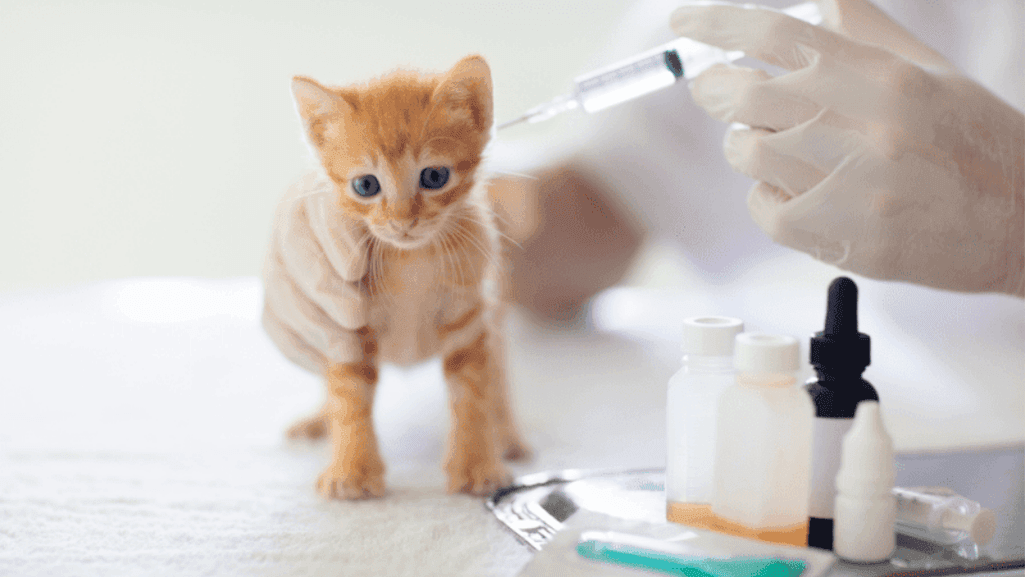
Rabies vaccinations are key to keeping your cat safe. It’s good to know about possible side effects. Modern vaccines are very safe, with only a tiny chance of allergic reactions in cats.
The usual adverse effects of rabies vaccine in cats are mild. These include a slight fever, feeling tired, eating less, and swelling where the shot was given. These feline rabies shot reactions usually go away in a few days and don’t need special treatment.
“The occurrence rate of side effects from the rabies vaccine in cats is rare, typically resulting in slight fever, lethargy, decreased appetite, and/or localized swelling at the injection site.”
In very rare cases, cats might have an allergic reaction. This can show as hives, swelling on the face, and itchiness. Severe reactions, like weakness and collapse, are very rare. These allergic reactions happen in less than 0.001% of vaccinated cats.
If your cat shows any cat rabies vaccine side effects after the shot, call your vet. They can tell you if you need to bring your cat in or if you can watch them at home.
Conclusion
The importance of cat rabies vaccination is huge. Rabies is a deadly virus that attacks the nervous system and is always fatal once symptoms show. To keep your cat safe from this deadly disease, getting them vaccinated is key. This rabies immunization not only protects your cat but also keeps everyone in your community safe.
It’s vital to keep your cat’s rabies shots up to date. Kittens need their first shot between 12 to 16 weeks old, and a booster a year later. Adult cats might need shots every one to three years, depending on the vaccine and local laws. Following this schedule helps protect your cat from rabies and keeps them healthy for years.
Even indoor cats need rabies shots. Indoor cats might face lower risks, but there’s always a chance of unexpected encounters with rabid animals. Vaccinating all cats, no matter where they live, gives them the best defense against rabies. This simple step keeps your cat safe and helps your community stay healthy.
FAQ
How is rabies transmitted to cats?
Is it necessary to vaccinate indoor cats against rabies?
At what age do kittens receive their first rabies shot?
What are the possible side effects of rabies vaccines in cats?
How much does a cat rabies vaccine cost?
What are the legal requirements for cat rabies vaccinations?
What are the risks of not vaccinating cats against rabies?