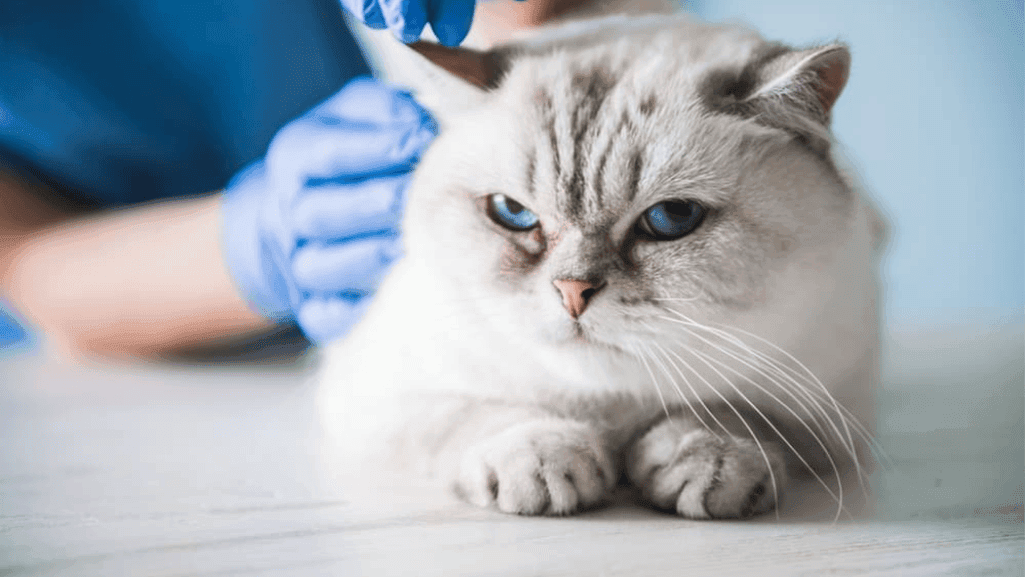
Feline parvovirus, also known as feline panleukopenia virus (FPV) or cat parvo, is a highly contagious and potentially fatal viral disease. It affects cats, mainly kittens and unvaccinated felines. This infectious disease can cause severe illness. Symptoms include vomiting, diarrhea, fever, and lethargy.
FPV is widespread in the environment and can survive for long periods. This makes it a significant threat to cats that have not been properly vaccinated. The virus targets rapidly dividing blood cells in the bone marrow, causing severe leukopenia. Kittens, senior cats, and those with compromised immune systems are at the highest risk.
Cats can contract the parvovirus through direct contact with infected feces, contaminated objects, or surfaces. Infected cats shed the virus in high amounts through their feces. This can easily spread to other felines. Pregnant cats infected with FPV may give birth to kittens with neurological disorders or brain damage.
Key Takeaways
- Feline parvovirus is a highly contagious viral disease that can be life-threatening to cats, mainly kittens and unvaccinated felines.
- Symptoms of cat parvo include severe vomiting, diarrhea, fever, lethargy, and loss of appetite.
- The virus is widespread in the environment and can survive for long periods, making vaccination essential for prevention.
- Cats can contract FPV through direct contact with infected feces, contaminated objects, or surfaces.
- Early diagnosis and supportive care are key to improving a cat’s chances of recovery from feline parvovirus.
What Is Feline Parvovirus?
Feline parvovirus, also known as panleukopenia virus or feline distemper Can Cats Get Parvo
, is a contagious viral disease. It affects cats of all ages. The virus attacks the intestines, causing vomiting, diarrhea, and trouble eating and drinking.
It also targets the bone marrow, leading to a shortage of blood cells and platelets. Nearly every cat will be exposed to this virus at some point in their life. Young kittens, sick cats, and unvaccinated cats are most at risk.
Feline Panleukopenia Virus (FPV)
Feline panleukopenia virus (FPV) is the formal name for the virus causing feline parvovirus. Cats can spread FPV through their feces, urine, and body fluids. The virus can also spread through contaminated items like bedding and cages.
The incubation period is usually between three to seven days after exposure. Cats of any age can catch FPV, but young kittens, sick cats, and unvaccinated cats are most likely to become ill. Young kittens are at the greatest risk of death from FPV infection. Vaccination is key in preventing feline parvovirus.
Symptoms of Feline ParvovirusThe symptoms of feline parvovirus can progress quickly. They may include:
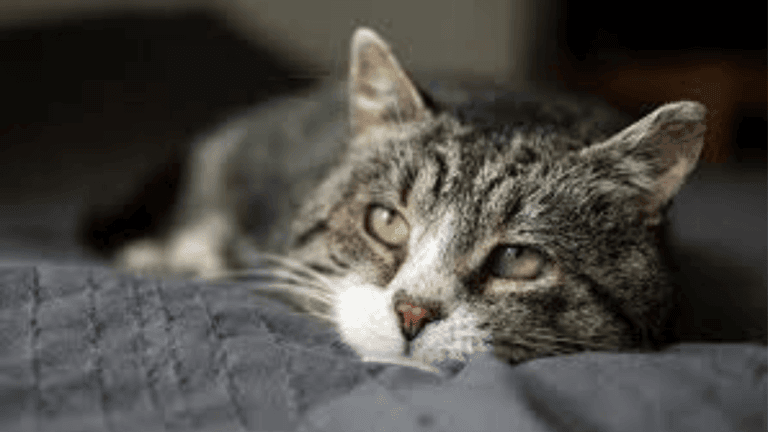
- Lethargy and depression
- Fever or low body temperature
- Vomiting and bloody diarrhea
- Decreased appetite and dehydration
- Weakness and tremors
Once cat parvo symptoms appear, the cat is very ill. The disease can progress quickly, potentially leading to death if not treated promptly. The mortality rate for kittens with feline parvovirus is high, with up to 90% of untreated cats succumbing to the disease. Adult cats have a better chance of surviving if they receive timely veterinary care.
How Feline Parvovirus Spreads
Feline parvovirus, also known as cat parvo, is a contagious viral disease. It mainly affects young kittens and cats without vaccines. Knowing how it spreads helps prevent parvo transmission in cats and keeps our feline friends safe.
Transmission Through Body Fluids and Feces
The main way parvovirus transmission happens in cats is through contact with infected animals’ body fluids and feces. Cats with the virus shed it in their urine, nasal secretions, and feces. This makes it simple for other cats to get sick.
As explained in a detailed article on whether cats can get parvovirus from, while the virus usually sticks to one species, some strains can cross over. This increases the risk of cat parvo transmission.
Environmental Contamination and Survival
Feline parvovirus is very tough and can live in contaminated places for years. It spreads through things like cages, bedding, and even the hands and clothes of people who handle cats. This is a big part of how transmission of parvo in cats happens, in places like multi-cat homes, shelters, and more.
“The virus can live in contaminated environments for years and is resistant to many disinfectants except for bleach.”
Susceptibility of Young Kittens and Unvaccinated Cats
Young kittens and cats without vaccines are very at risk for feline parvovirus infection. Kittens between 3 to 5 months old are most at risk because their immune systems are not fully developed. Unvaccinated adult cats can also get infected but might not show symptoms.
To keep cats safe, it’s key to follow a proper vaccination schedule. This is explained in a detailed article on hypoallergenic Siberian cats and their special genetic traits.
- Kittens should start getting parvovirus vaccinations around 6 weeks old and get booster shots regularly.
- By 14-16 weeks, kittens lose all of their mother’s antibodies and need to rely on their own immune system.
- The core vaccine for cats (F3) offers good protection against cat parvo.
Diagnosing Feline Parvovirus
Identifying feline parvovirus, also known as cat parvo, is a task for veterinarians. Symptoms can vary from mild to severe. They might look like other illnesses like salmonella, FIV, FeLV, and pancreatitis. A cat’s medical history and symptoms help vets suspect parvovirus.
Vets use physical exams and lab tests to confirm parvovirus. Common symptoms include:
- Vomiting and diarrhea
- Lethargy and weakness
- Fever
- Loss of appetite
They might do blood and stool tests. Low white blood cell counts and dehydration suggest parvovirus. The snap ELISA test can also detect it, thanks to its cross-reactivity.
The Importance of Early Detection
Quick diagnosis is key for treatment and recovery. Dr. Sarah Johnson, a top vet for cats, says:
Early detection and intervention are key when it comes to managing feline parvovirus cases. The sooner we can start supportive care, the better the prognosis for our feline patients.
Knowing the symptoms and acting fast can save your cat. It’s a big step in protecting them from this serious disease.
Treatment Options for Cats with Parvo
When a cat gets feline parvovirus, quick action is key to save their life. There’s no cure for the virus, but treating parvo in cats focuses on care to help fight the infection.
Supportive Care and Fluid Therapy
The main part of cat parvo treatment is supportive care. This includes giving intravenous fluids to fight dehydration from vomiting and diarrhea. Treatment often lasts for days in the hospital.
Fluid therapy keeps electrolytes balanced and supports the cat’s health while they recover.
Addressing Secondary Infections
Cats with parvovirus are at high risk for secondary infections because their immune systems are weak. As part of the feline panleukopenia treatment, antibiotics may be given to prevent or treat these infections. Vets watch the cat closely and adjust the treatment as needed.
“Cats receiving veterinary care for parvovirus have a higher chance of survival compared to those who don’t.” – Veterinary expert
Prognosis and Survival Rates
The cat parvo prognosis is often bad, with up to 90% of untreated cats dying. But, with good vet care and prompt treatment, survival chances can go up. Kittens, between three and five months old, are most at risk and have lower survival rates than adult cats.
Factors like the cat’s age, health, and how bad the infection is can affect the outcome of parvo treatment for cats.
Preventive steps, like regular vaccinations against parvovirus, are key to keep cats safe. Kittens should start vaccinations at six weeks and get boosters until they’re fully protected.
Preventing Feline Parvovirus Infection
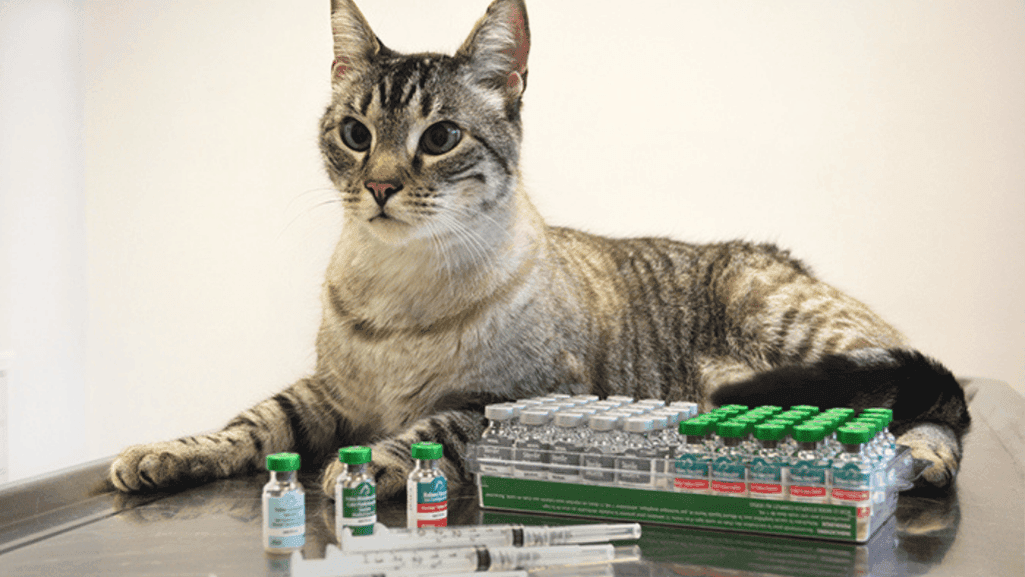
As a cat owner, protecting your pet from feline parvovirus is key. Parvovirus vaccination cats is the best way to prevent this disease. Vets recommend starting vaccinations for kittens at 6 weeks old. Three doses are needed for full protection.
Most cats will meet parvovirus at some point. But kittens and unvaccinated cats are most at risk. Kittens 3 to 5 months old are often infected. Kittens under 8 weeks old have a slim chance of survival if they get it.
In fact, up to 90% of untreated kittens die from parvovirus.
Vaccination as the Key to Prevention
Vaccination has greatly reduced parvovirus deaths in cats. The feline parvovirus vaccine is a core vaccine for cats. Adult cats need booster shots to stay protected.
Risk Factors for Feline Parvovirus Infection
Unvaccinated cats and those with health issues are at high risk. Newer variants of canine parvovirus can also infect cats. Other risks include:
- Contact with infected cats or their bodily fluids
- Exposure to contaminated environments
- Lack of proper hygiene and sanitation
To prevent cat parvo, keep your cats indoors. Practice good hygiene and isolate new cats until they’re vaccinated. By doing these things, you can greatly lower the risk of parvovirus infection. Remember, prevention is always better than cure for your cat’s health.
Conclusion
Feline parvovirus, or FPV, is a serious disease that can harm cats, mainly kittens. It attacks cells that grow fast and can live outside a cat for up to a year. This makes it hard to stop.
Cats with FPV often get sick with vomiting, diarrhea, and fever. They can also lose water and stop eating. If not treated, they can die in just a few days.
Keeping cats healthy means getting them vaccinated early and often. Tests can help find out if a cat has FPV. Even though many cats don’t make it, quick treatment can help some survive, even older cats.
To keep cats safe, owners should keep their homes clean and avoid places with many cats. Testing cats for health issues is also important. Knowing about FPV and taking steps to prevent it helps protect cats from this deadly disease.
FAQ
Can cats get parvo?
Yes, cats can get a form of parvovirus called feline panleukopenia virus (FPV) or feline distemper. It is highly contagious and can be life-threatening, mainly for kittens.
What are the symptoms of feline parvovirus?
Symptoms include severe diarrhea, vomiting, fever, and lethargy. Kittens are very susceptible to this disease.
How is feline parvovirus transmitted?
It spreads through contact with infected cats’ feces, urine, or nasal secretions. The virus can survive in the environment for months, making it easy for cats to get infected.
How is feline parvovirus diagnosed?
Veterinarians diagnose it based on symptoms and lab tests. Tests include fecal examinations and blood work to confirm the virus.
What is the treatment for cats with feline parvovirus?
Treatment includes supportive care like fluid therapy and nutritional support. Medications control secondary infections. Severe cases may need hospitalization.
Can feline parvovirus be prevented?
Yes, vaccination is the best prevention. Kittens should start vaccinations at 6-8 weeks, with boosters every 3-4 weeks until 16-20 weeks. Adult cats need boosters as advised by their vet.
Are some cats more at risk for feline parvovirus?
Kittens, unvaccinated cats, and those in multi-cat homes or shelters are at higher risk. Pregnant cats can also pass it to their kittens, causing severe disabilities.
How long does it take for a cat to recover from feline parvovirus?
Recovery time varies. It depends on the infection’s severity and the cat’s health. With proper care, some cats recover in a week, while others may take months.